The landslide reelection of Albin Kurti’s Vetëvendosje (LVV) at the December 2025 parliamentary elections in Kosovo represent a seismic shift in the political calculus of the region. It signifies the categorical rejection by Kosovo’s voters of an entire generation of American and European policy in the country and demands a significant recalibration by Washington but, above all, Brussels of their posture towards Pristina and Belgrade.
Kosovo Offers Europe a Chance at Geopolitical Relevance
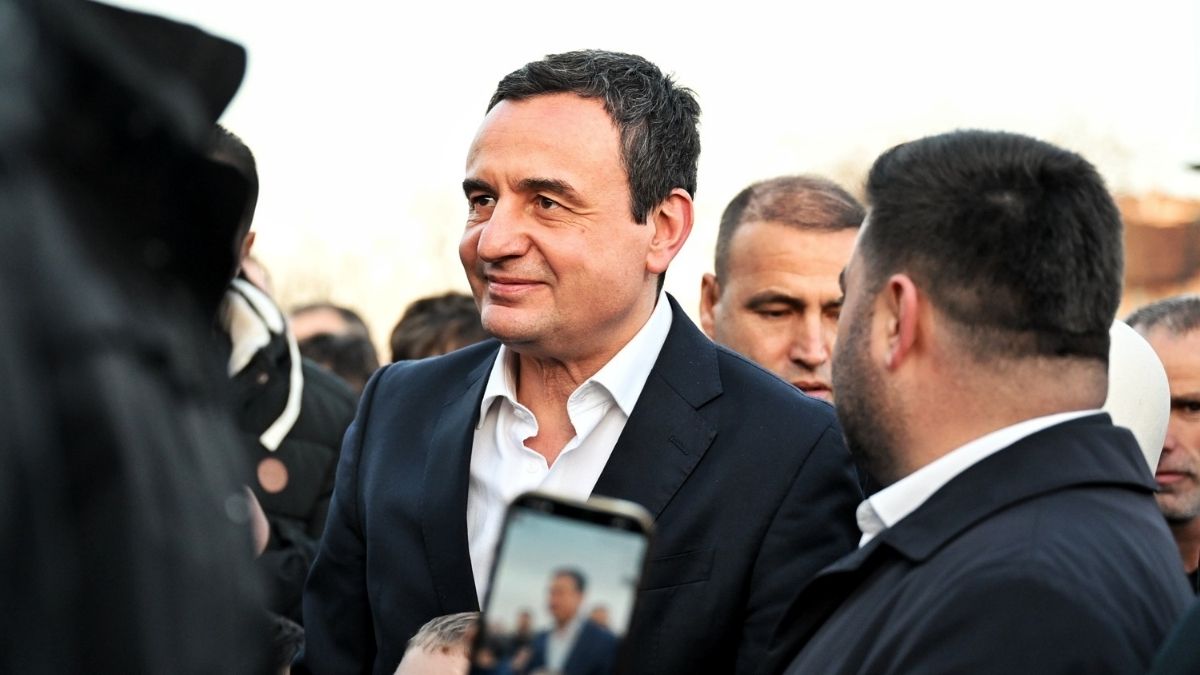
Foto: Albin Kurti/Facebook
Jasmin Mujanović
17.01.2026. 04:36
Kurti’s relationship with both the first Trump administration and the Biden White House was famously fraught. In 2020, Kurti accused the then US regional envoy Richard Grenell of orchestrating a parliamentary coup against his first government, and the Biden administration placed sanctions on Kosovo in May 2023 after a series of Serb nationalist riots in the country’s north, for which it blamed the Prime Minister.
At the heart of both the American and the Europeans frustrations with Kurti was the belief that he was stonewalling the implementation of the 2013 Brussels Agreement, specifically the provision that Kosovo should proceed with the creation of a so-called “Association of Serbian (Majority) Municipalities”.
More broadly, both the US and EU bristled at Kurti’s pursuit of a sovereigntist agenda, which sought to ensure the full dominion of Kosovo’s state institutions over all parts of the country’s territory, and pursued Kosovo’s integration into the international system without reference or reliance on progress in the negotiations with Belgrade.
Kosovo, in effect, was engaged in the unilateral pursuit of its EU and NATO objectives, which the Kurti government clearly believed, and stressed, were in complete ideological cohesion with both Washington and Brussels but did not necessarily comport to the preferred sequencing of either.
Bizarrely, that was a far greater sin in the eyes of many senior American and European officials, than Serbia’s outright rejection of the Euro-Atlantic project.
As Kurti and his government sought to stand-up Kosovo’s democratic and security institutions, Serbia was rapidly hurtling towards one man rule under Aleksandar Vucic and making its strategic proximity to Russia and China ever clearer. Despite this, the Biden administration made Serbia the central focus of its Western Balkans policy.
Ambassador Christopher Hill heaped increasingly implausible praise on Belgrade, even as the Vucic regime engineered the Banjska paramilitary attack, the most significant interstate clash in the region since the end of the 1990s. That incident even forced the White House to explicitly direct Serbia to move its military away from the Kosovo border, only for Hill to claim seven months later that Serbia was a closer partner for NATO than Kosovo.
Incidentally, almost immediately upon leaving public service, Hill joined as Senior Adviser the Pupin Initiative, an organization which aims to “ensure that Serbian voices are heard in Washington, DC…committed to renewing the US–Serbia relationship through academic, policy, and cultural initiatives.”
But with LVV’s decisive victory in December, which saw the party win its fourth consecutive election, and with its highest vote share to date (51.11%, a result even larger than its 2021 50.25% share), Kurti and his bloc are simply a political fact. Washington and Brussels may not like it but Kosovo’s elections, unlike Serbia’s, are free and fair, and Albin Kurti and the LLV are enormously popular.
Especially as Russia continues its aggression against Ukraine, and as the White House signals its apparent designs on Greenland, Europe must look soberly at the conditions on the continent.
In Kosovo, the EU’s own members have strengthened the hand of its adversaries by refusing to fully recognize the sovereignty of a democratic, decidedly pro-Western state. Kurti’s dramatic victory, and the clear popular mandate his government has again seized, are an opportunity to secure Europe’s own geopolitical interests.
First, Brussels and the capitals must clear the path for Kosovo to realize its European and Atlantic aspirations. Spain, one of the five EU non-recognizers of Kosovo’s sovereignty, appears finally willing to allow Pristina to begin taking some of the formal steps towards membership in the bloc. This is long overdue, and Madrid’s opposition to Kosovo’s sovereignty – the recognition of which it has historically conditioned on agreement with Serbia – has become completely untenable since its own unilateral recognition of Palestine.
Second, as part of the European commitment to re-engage with Kosovo, the capitals should also support the country’s entry as an equal, sovereign member into two critical international institutions: the Council of Europe, and NATO’s Partnership for Peace. Kosovo already meets the criteria to join both, it is only the political will to allow its entry that is lacking. Keeping Kosovo out in the cold serves only to rewards the intransigence of nationalist hardliners in Belgrade and artificially maintains Serbia’s advantage with respect to the international status of the two states.
Third, concerning the transatlantic relationship, these maneuvers would provide another opportunity for Europe to signal to the US its capacity for burden-sharing. This, in turn, addresses aspects of Washington’s core concerns with Arctic security, and Ukraine, (i.e. that Europe is not paying its fair share regarding shared Atlantic interests) and demonstrates Europe’s genuine commitment to its own geopolitical credibility and self-defense.
Finally, such a policy reboot would alert Belgrade that its obstruction of Kosovo’s integration into the international system will not be tolerated indefinitely. And if that were to occur in relatively short order, Brussels and Washington may even secure the political goodwill in Pristina to seek Kosovo’s re-engagement with the Brussels Agreement.
The EU and the capitals can no longer afford their myopic, provincial disregard of the Western Balkans. Kosovo and the democratic will of its citizens offers Brussels an opportunity to assert its own geopolitical relevance. It should not squander the opportunity.
O autoru

Jasmin Mujanović
Jasmin Mujanović je bosansko-američki politolog, autor nekoliko knjiga.
Više od istog autora